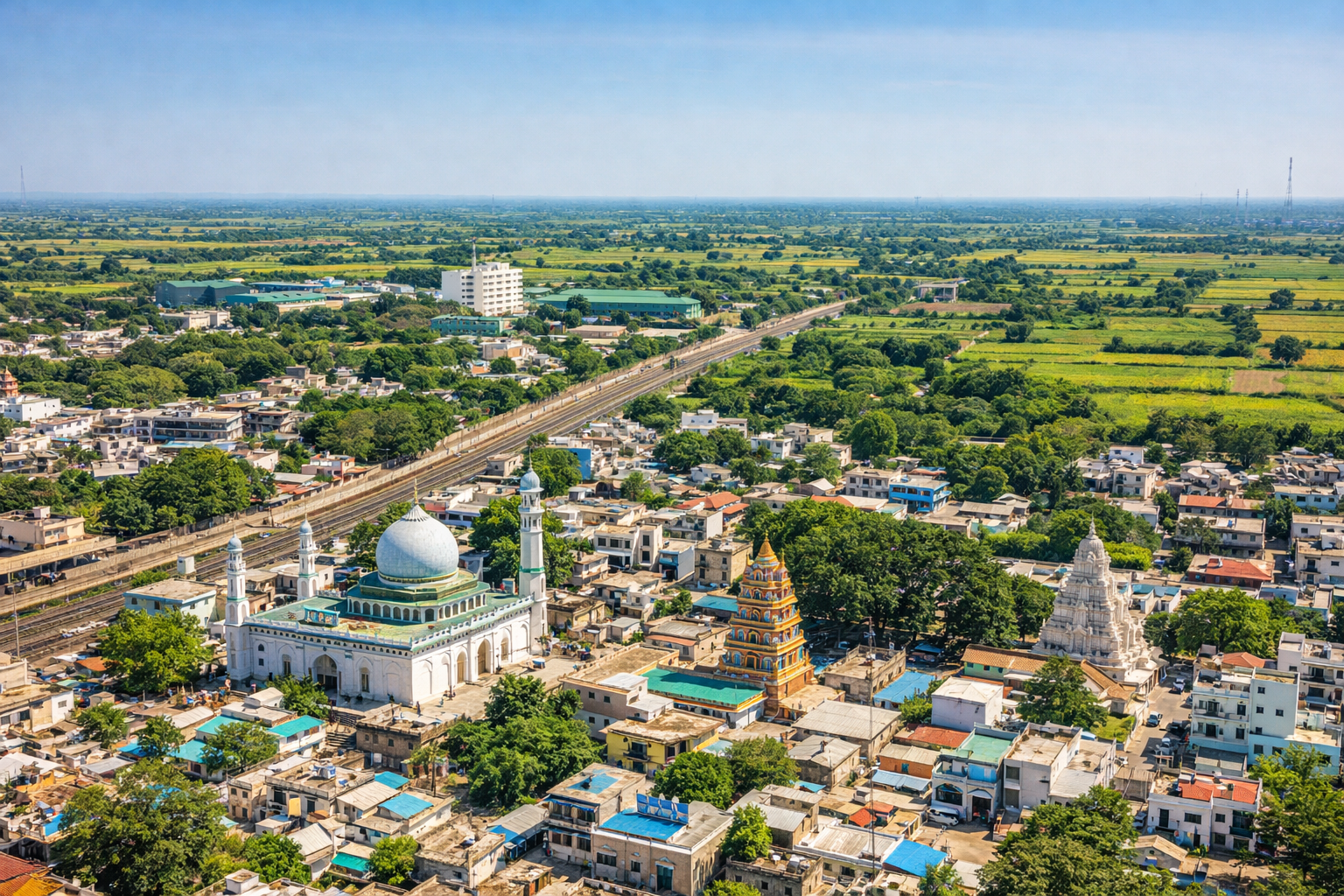
Parbhani District is located in the Marathwada region of Maharashtra and is known for its rich history, cultural heritage, and agricultural importance. The district has played a significant role in education, research, and rural development, making it an important center in the region.
Parbhani is especially recognized for its contribution to agriculture due to the presence of Vasantrao Naik Marathwada Krushi Vidyapeeth, which supports farmers through research, training, and innovation.
The district represents a fine balance between tradition and modern development. Historic religious places, cultural landmarks, and local traditions reflect its diverse heritage, while improving infrastructure, education, and industry highlight its growth.
Parbhani District – Overview
Parbhani District is located in the Marathwada region of Maharashtra. It is known for its agricultural strength, educational institutions, and cultural diversity. The district has a balanced mix of urban development and rural life, contributing significantly to the region’s economy.
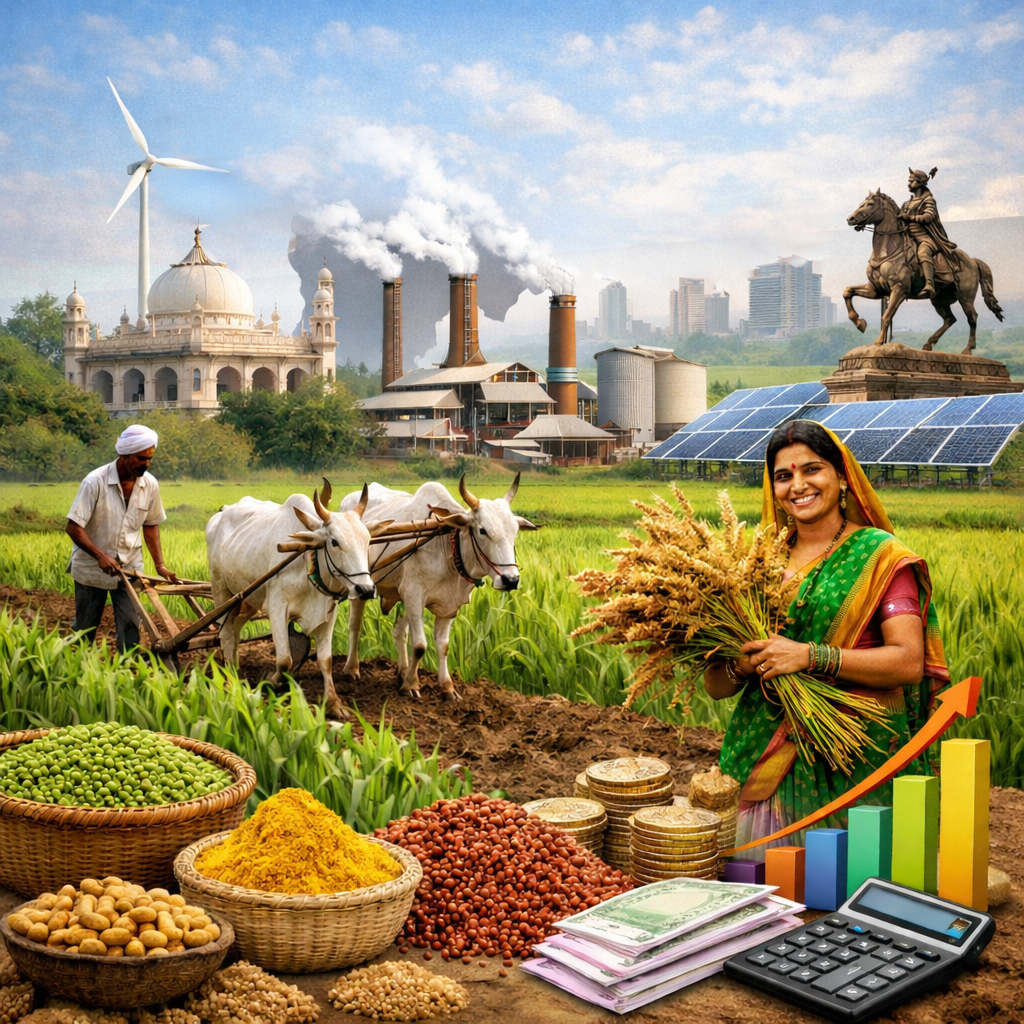
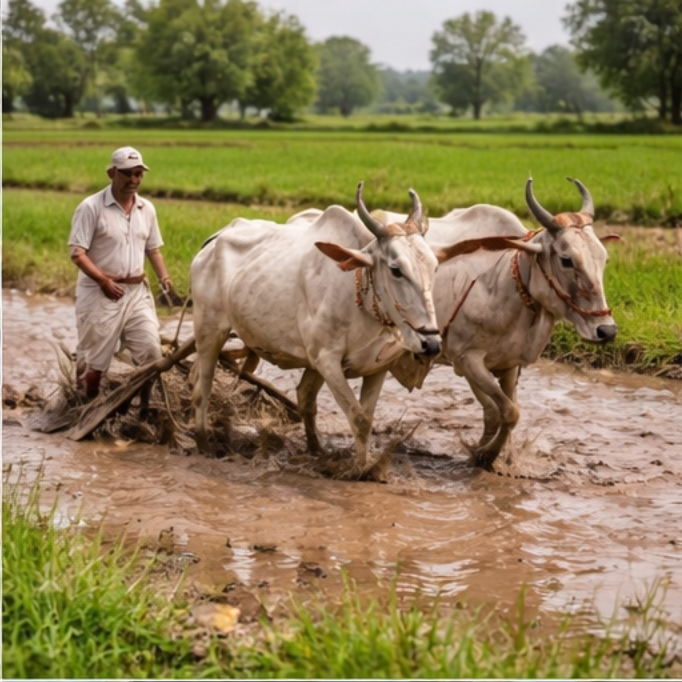
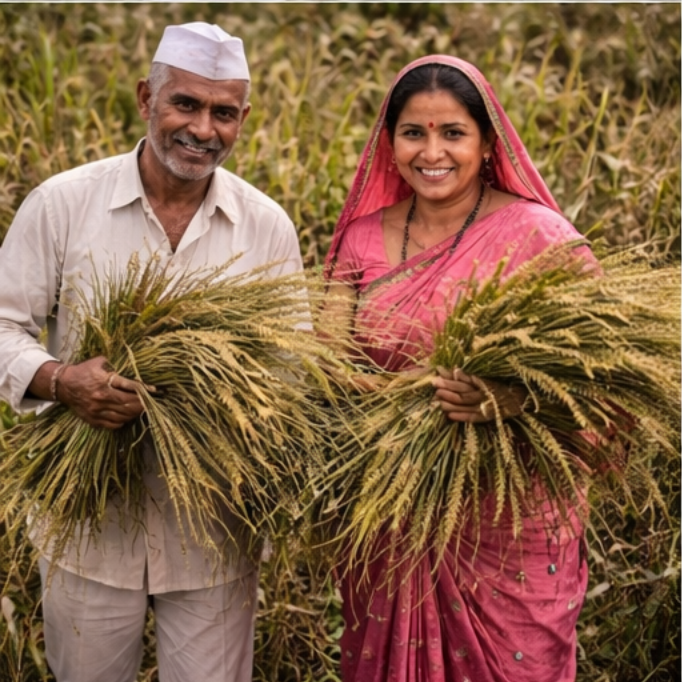
Agriculture is the backbone of Parbhani District. Crops such as cotton, soybean, jowar, tur, and wheat are widely cultivated. The presence of Vasantrao Naik Marathwada Krushi Vidyapeeth has made Parbhani an important center for agricultural education, research, and farmer support.
Geography & Location
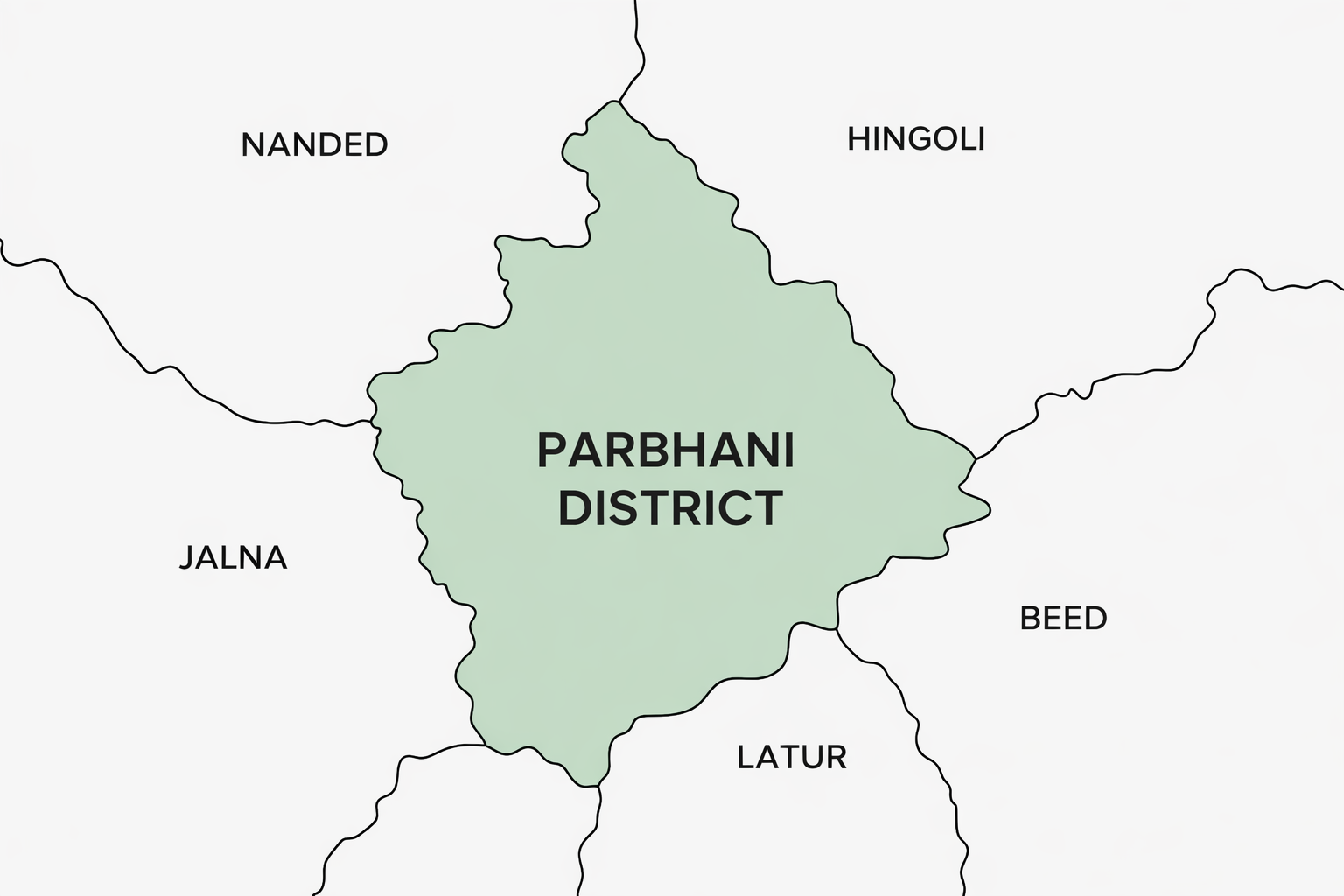
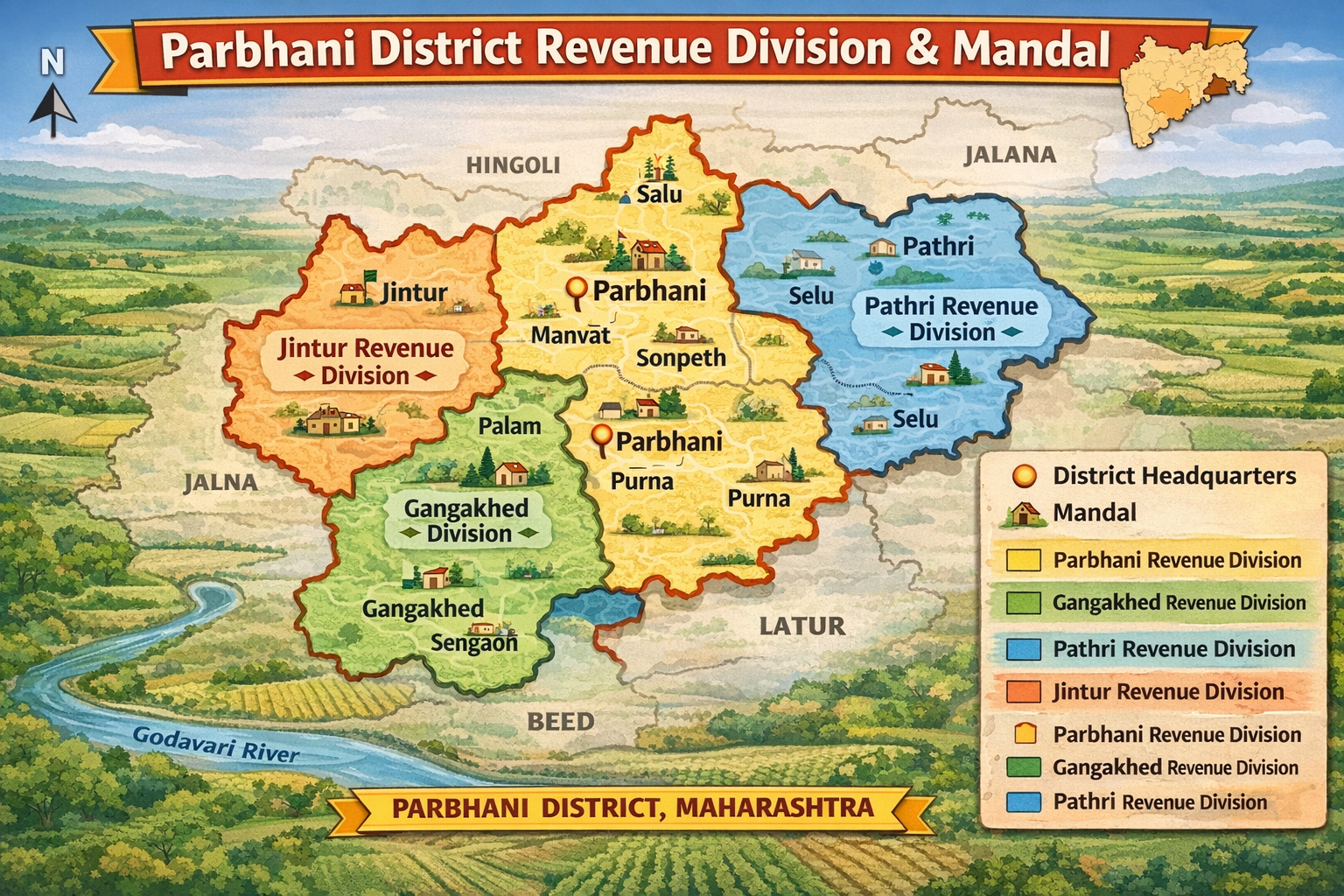
Parbhani District lies in the Marathwada region of Maharashtra and is bordered by:
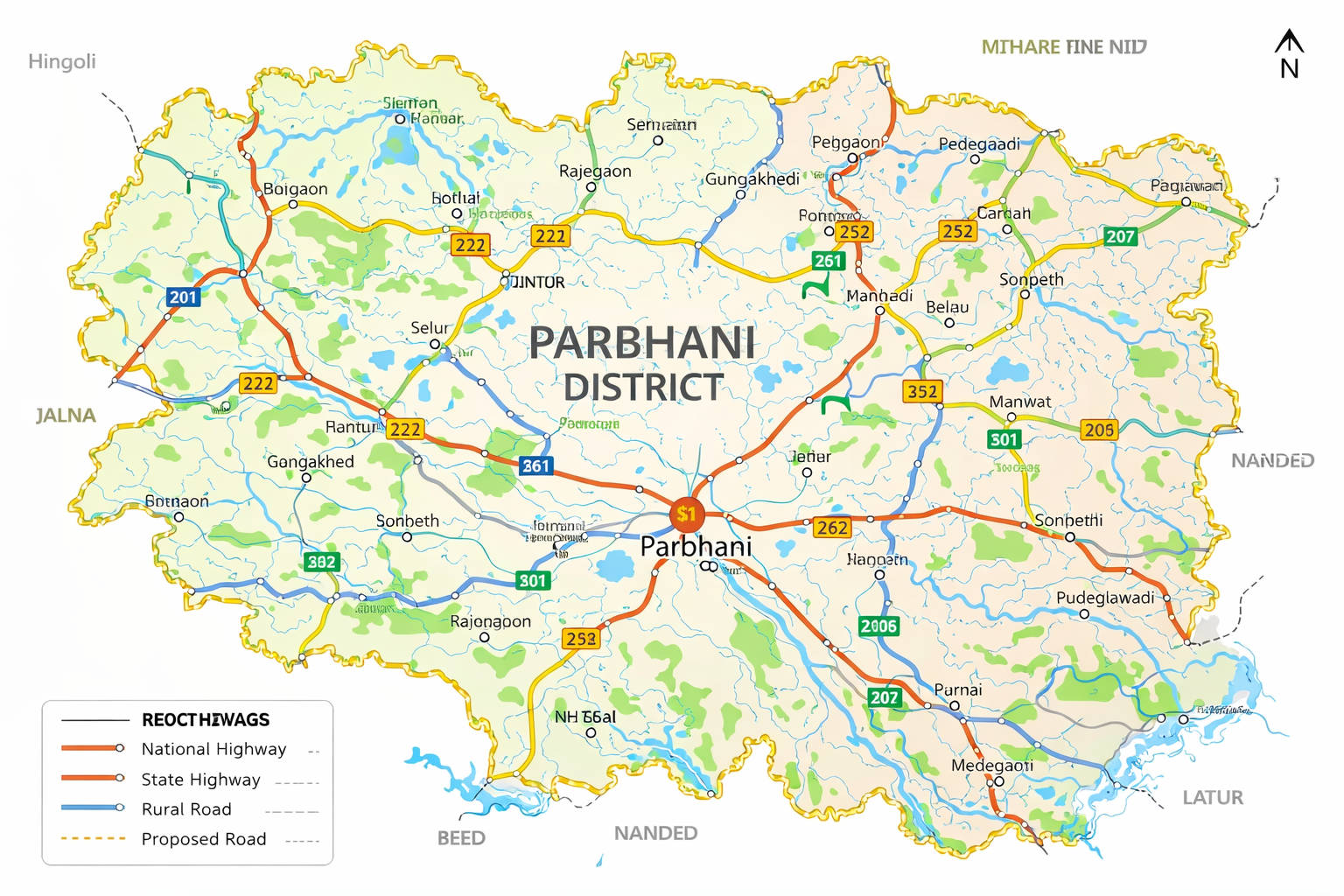
Nanded District to the north Hingoli District to the east Beed District to the west Jalna District to the northwest Latur District to the south
The district features a largely flat terrain with fertile agricultural land, supported by black cotton soil and seasonal river systems.
History & Cultural Heritage
Parbhani District has a long and rich historical background that reflects the cultural evolution of the Marathwada region. The area has been influenced by several powerful dynasties and rulers over different periods, shaping its social, architectural, and cultural identity.
Historically, Parbhani came under the rule of the Satavahanas, followed by the Rashtrakutas, Yadavas of Devagiri, and later the Delhi Sultanate and the Mughals. During the medieval period, the region became part of the Deccan Sultanates and later the Nizam’s Hyderabad State, leaving a lasting impact on local administration and culture.
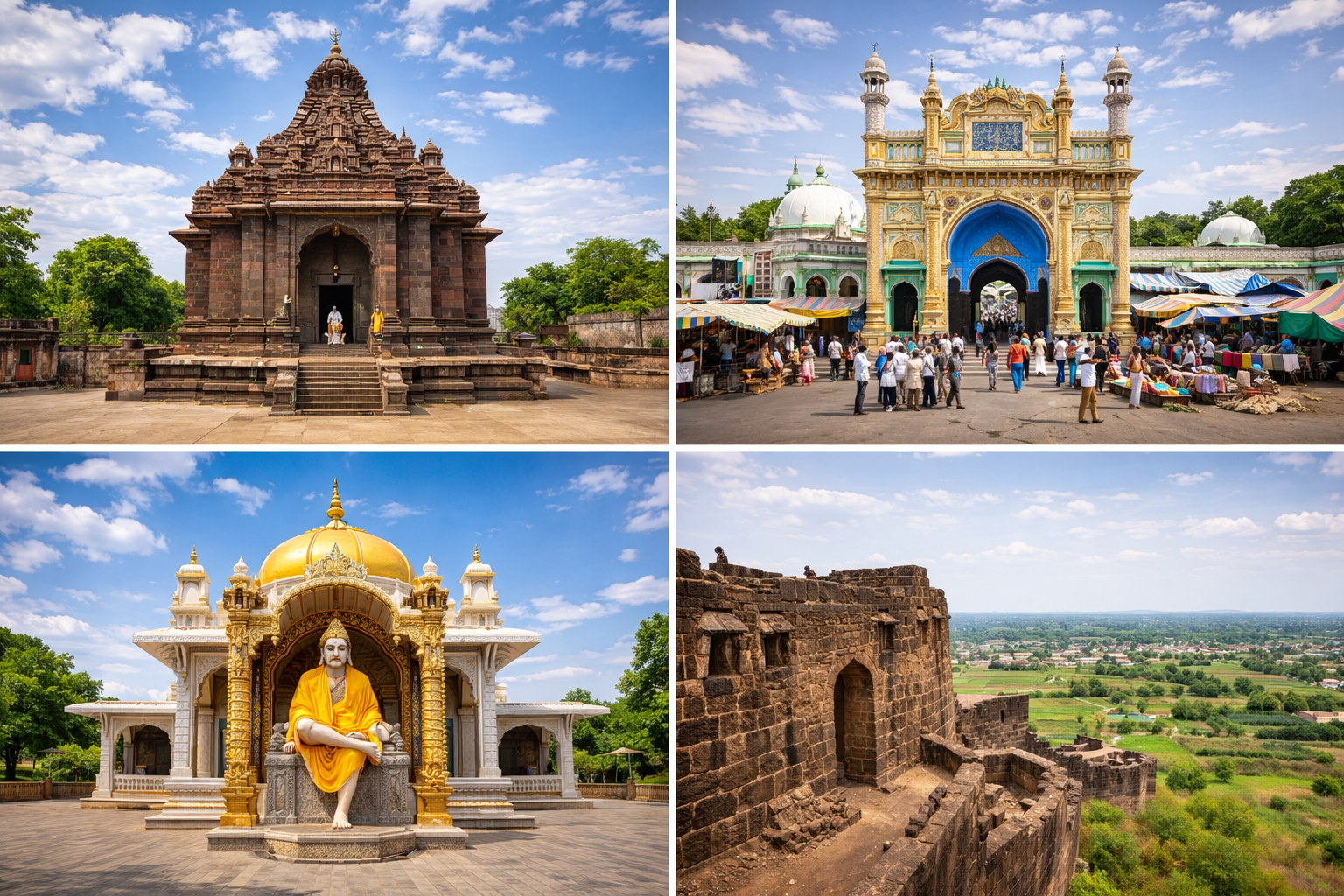
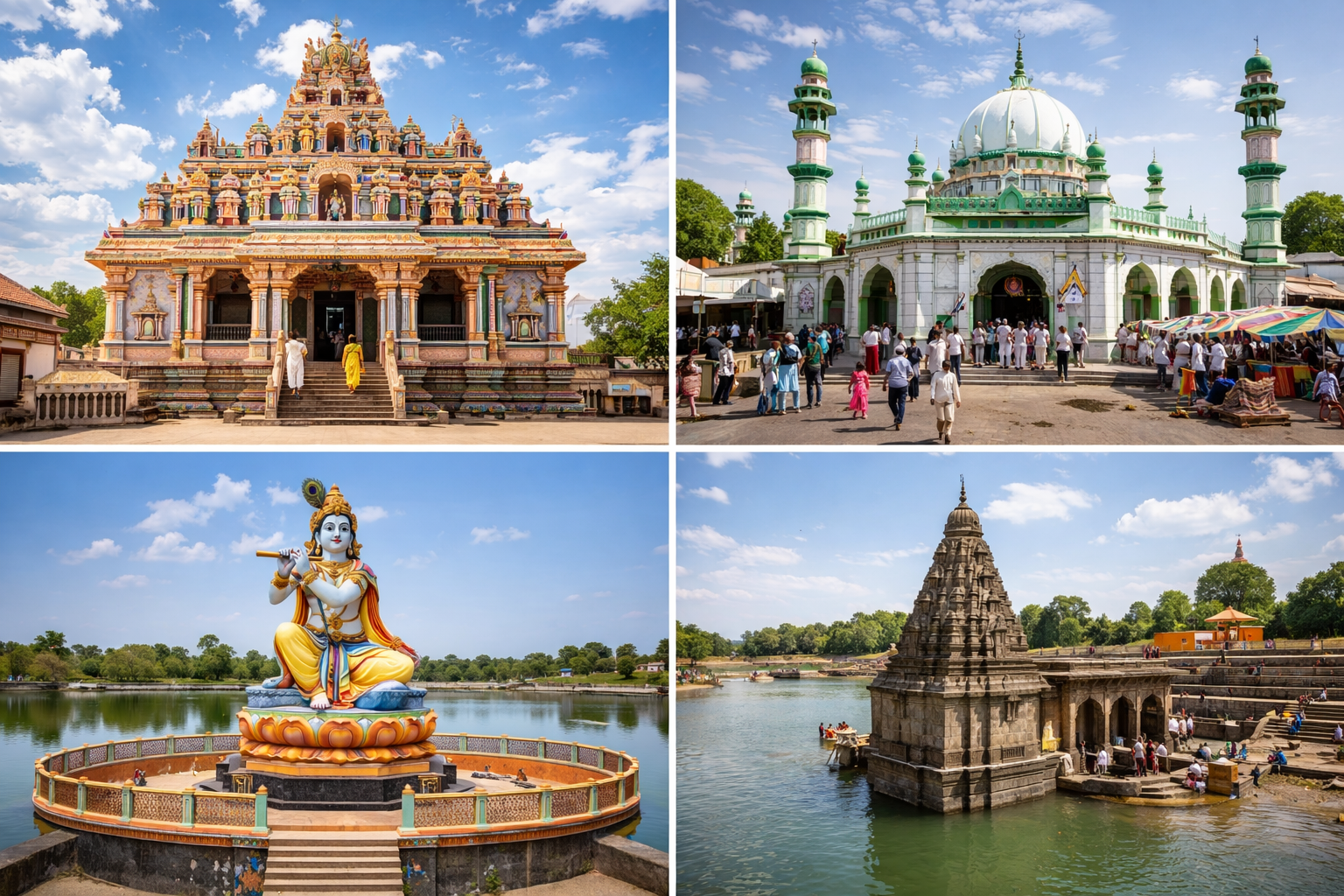
The district is home to many ancient temples, mosques, and religious sites that highlight its architectural heritage and spiritual diversity. These monuments reflect a blend of Hindu and Islamic traditions, symbolizing communal harmony and shared history.
🌾 Agriculture – The Backbone of Parbhani District
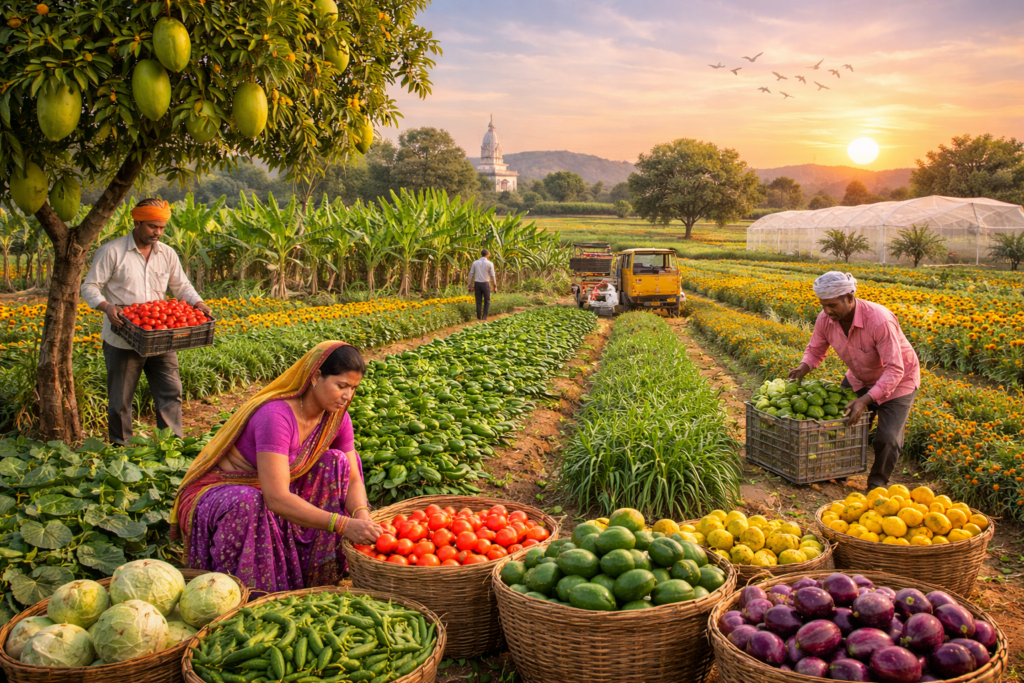
Agriculture is the backbone of Parbhani district’s economy. The district is part of the Godavari basin and is characterized by fertile black cotton soil, which is well suited for a variety of crops. Farming in Parbhani is mainly rain-fed, with limited irrigation facilities from rivers, canals, and wells.
Major crops include:
Cotton (primary commercial crop)
Soybean
Tur (pigeon pea)
Jowar and bajra
Wheat and gram
Sugarcane (in irrigated areas)
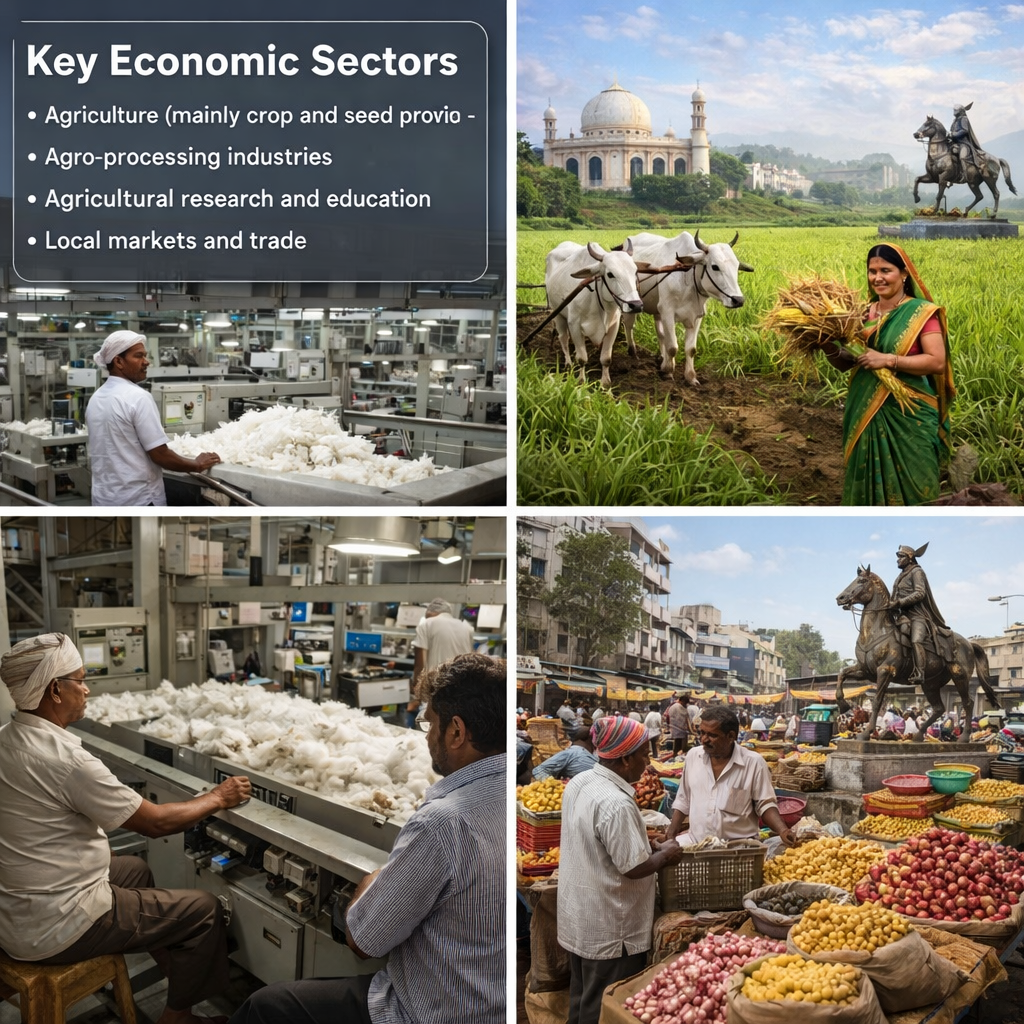
Economic Strengths of Parbhani District
Agro-Based and Small-Scale Industries Parbhani has a growing base of agro-processing units such as cotton ginning, oil extraction, dal mills, and food processing units. Small-scale industries and MSMEs provide employment and add value to agricultural produce.
1. Trade and Commercial Activities Local markets, agricultural produce trading, and wholesale businesses contribute significantly to the district’s economy.
2. Education and Service Sector Educational institutions, healthcare services, and government offices generate steady employment and contribute to the service-based economy of the district.
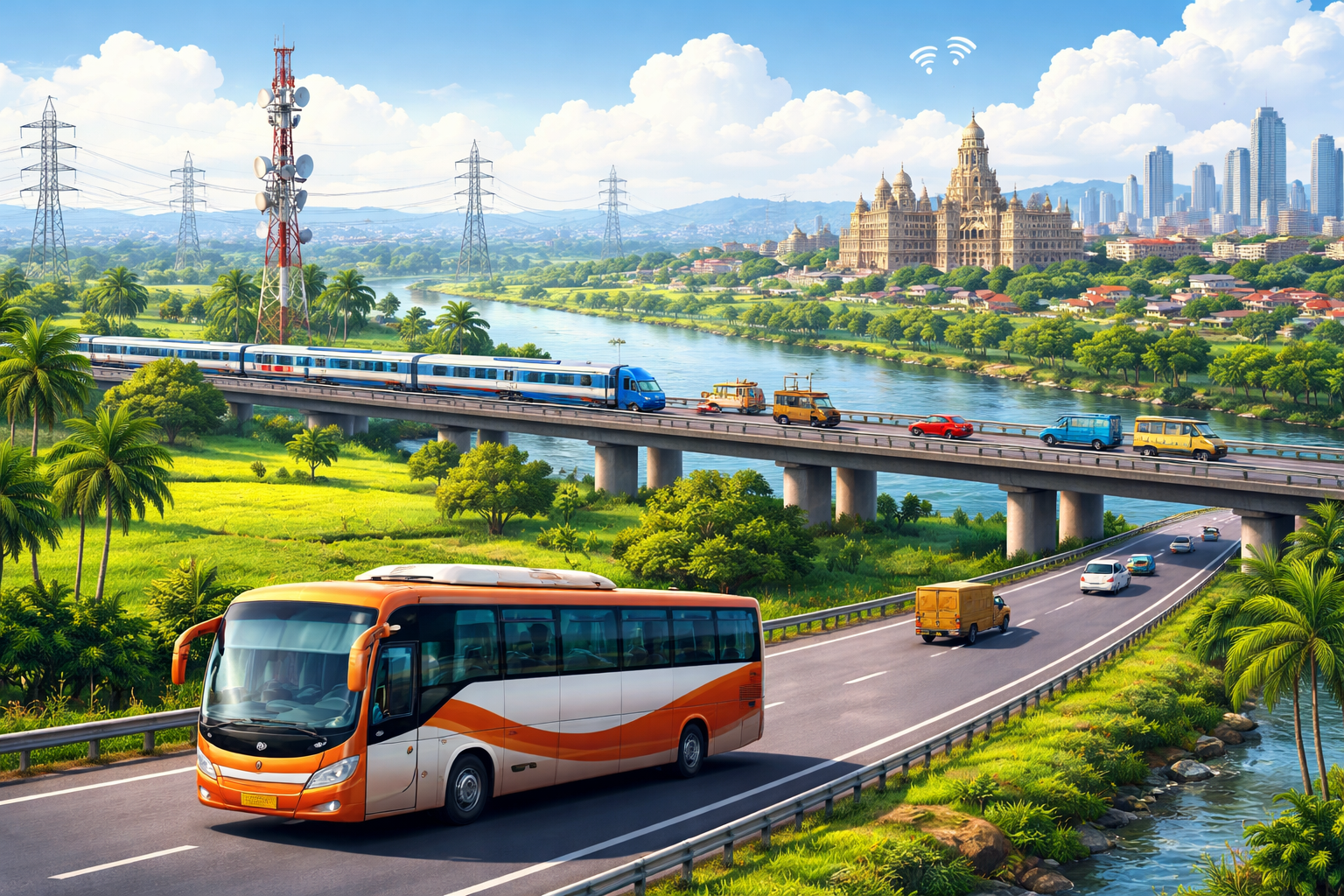
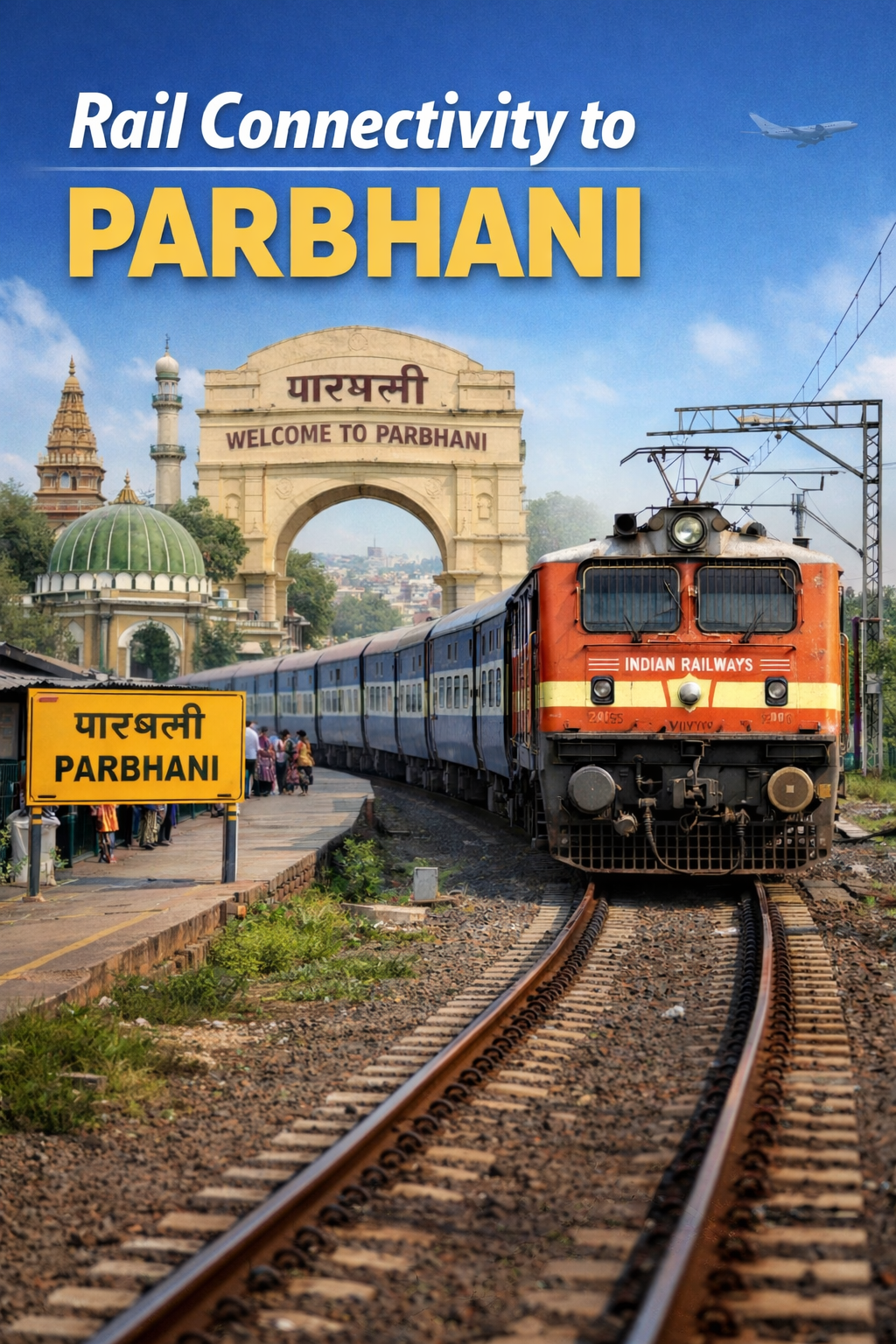
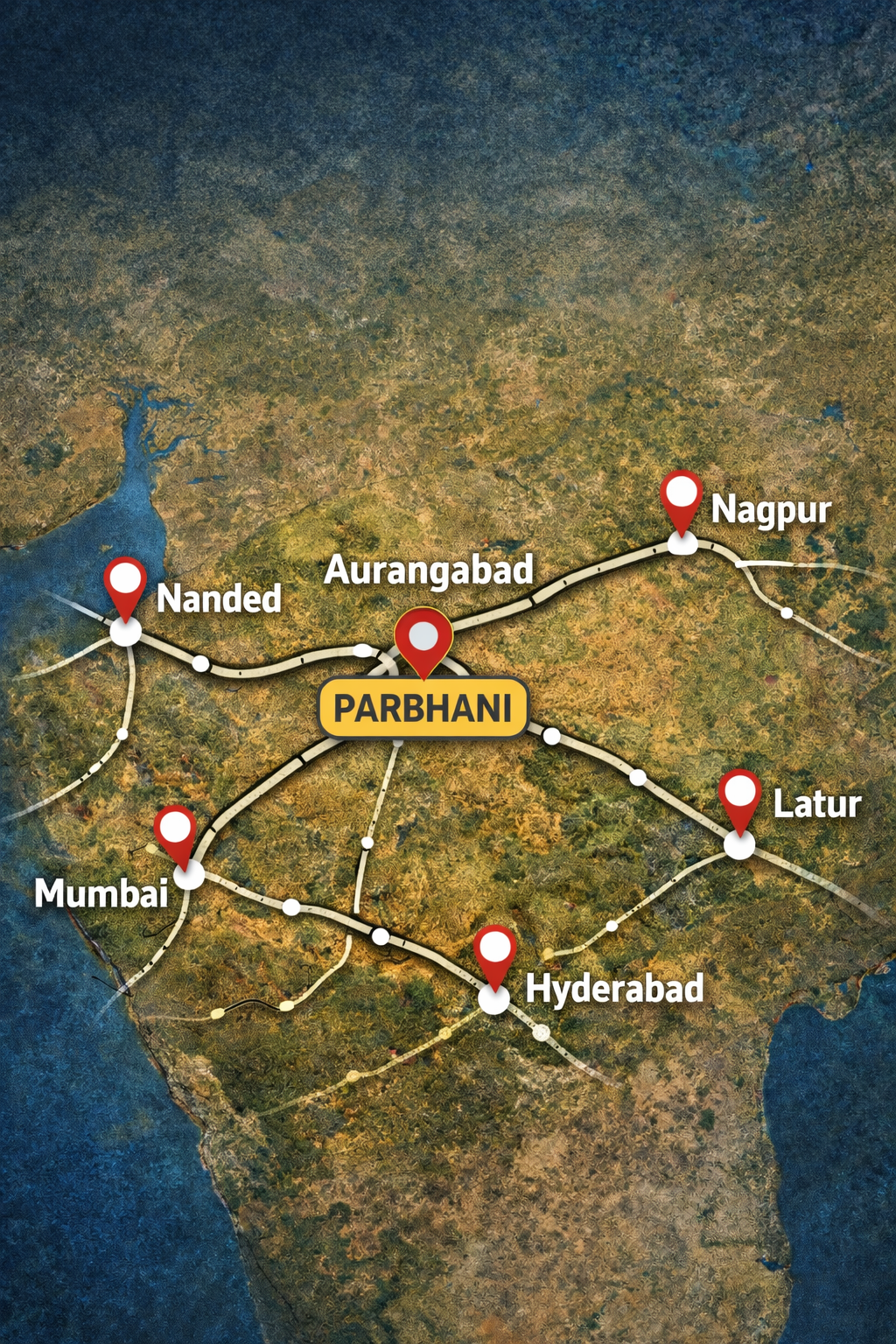
3. Connectivity and Infrastructure Parbhani is well connected by road and rail to major cities in Maharashtra. Improved transportation infrastructure supports trade, agricultural marketing, and industrial growth.
Culture & People – Parbhani District
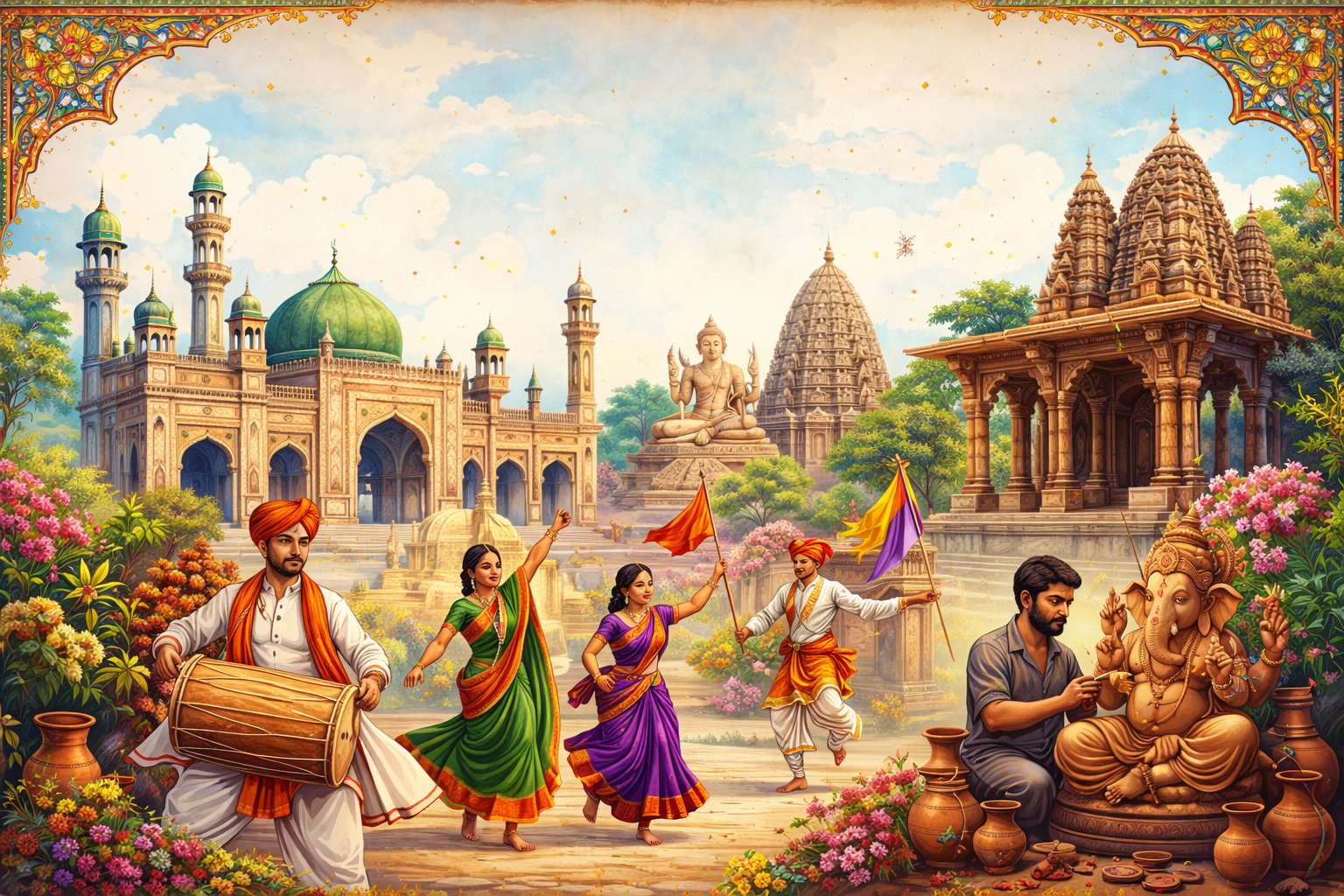
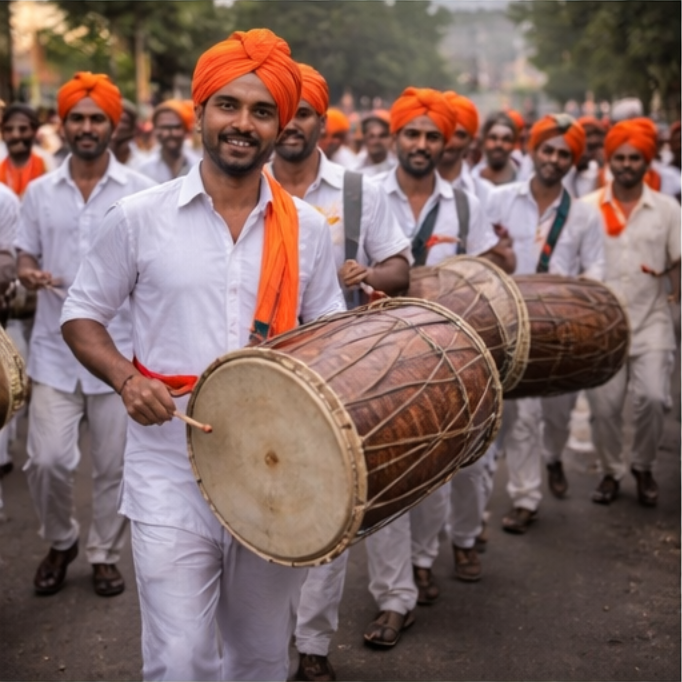
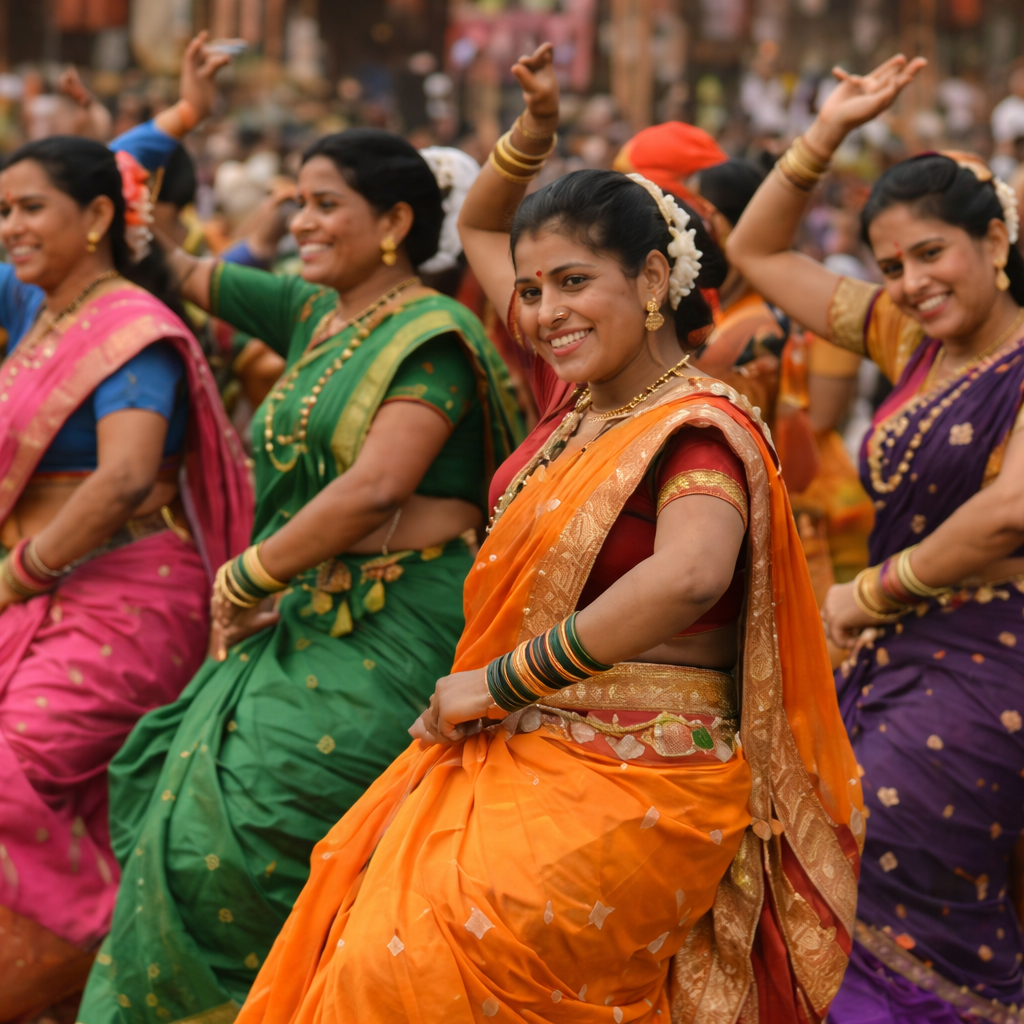
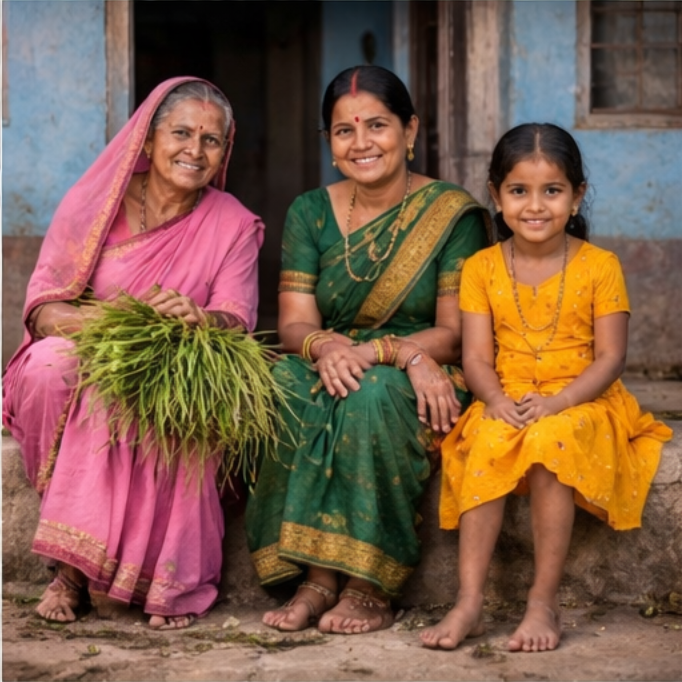
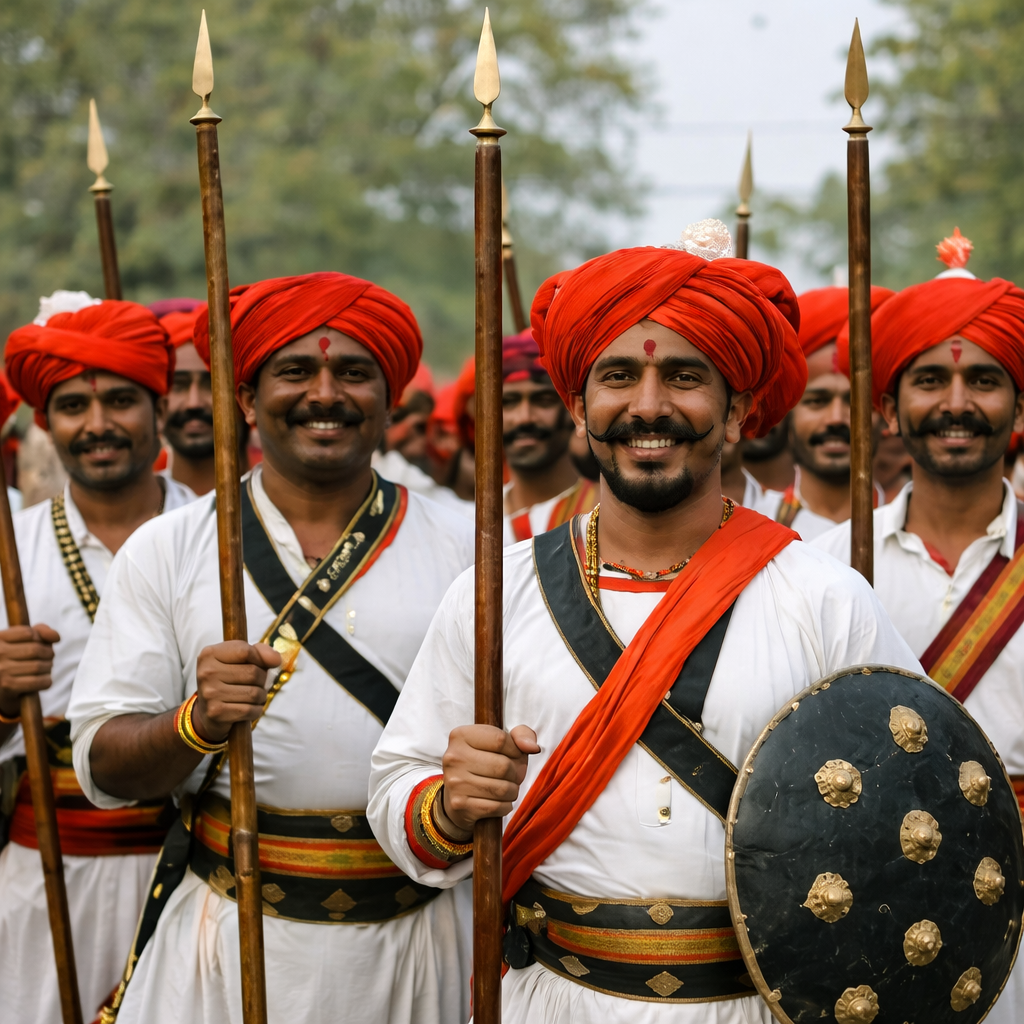
Parbhani District has a rich and diverse cultural heritage rooted in the traditions of the Marathwada region. The culture of the district reflects a harmonious blend of history, agriculture-based rural life, and deep social values. The people of Parbhani are known for their simplicity, hospitality, and strong sense of community. Marathi is the primary language spoken, while Urdu, Hindi, and Dakhani are also commonly used, showcasing cultural diversity and mutual coexistence. Festivals such as Ganesh Chaturthi, Diwali, Gudi Padwa, Eid, and Muharram are celebrated with great enthusiasm and communal harmony. Folk traditions like Lavani, Powada, Bhajan, and Kirtan form an important part of local cultural expression, especially during fairs and religious gatherings. Traditional attire, rural customs, and agricultural lifestyles continue to influence daily life, while growing educational institutions have encouraged social development and progressive thinking. Overall, the culture and people of Parbhani District represent a balanced blend of tradition, unity, and modern outlook.
Tourism & Attractions
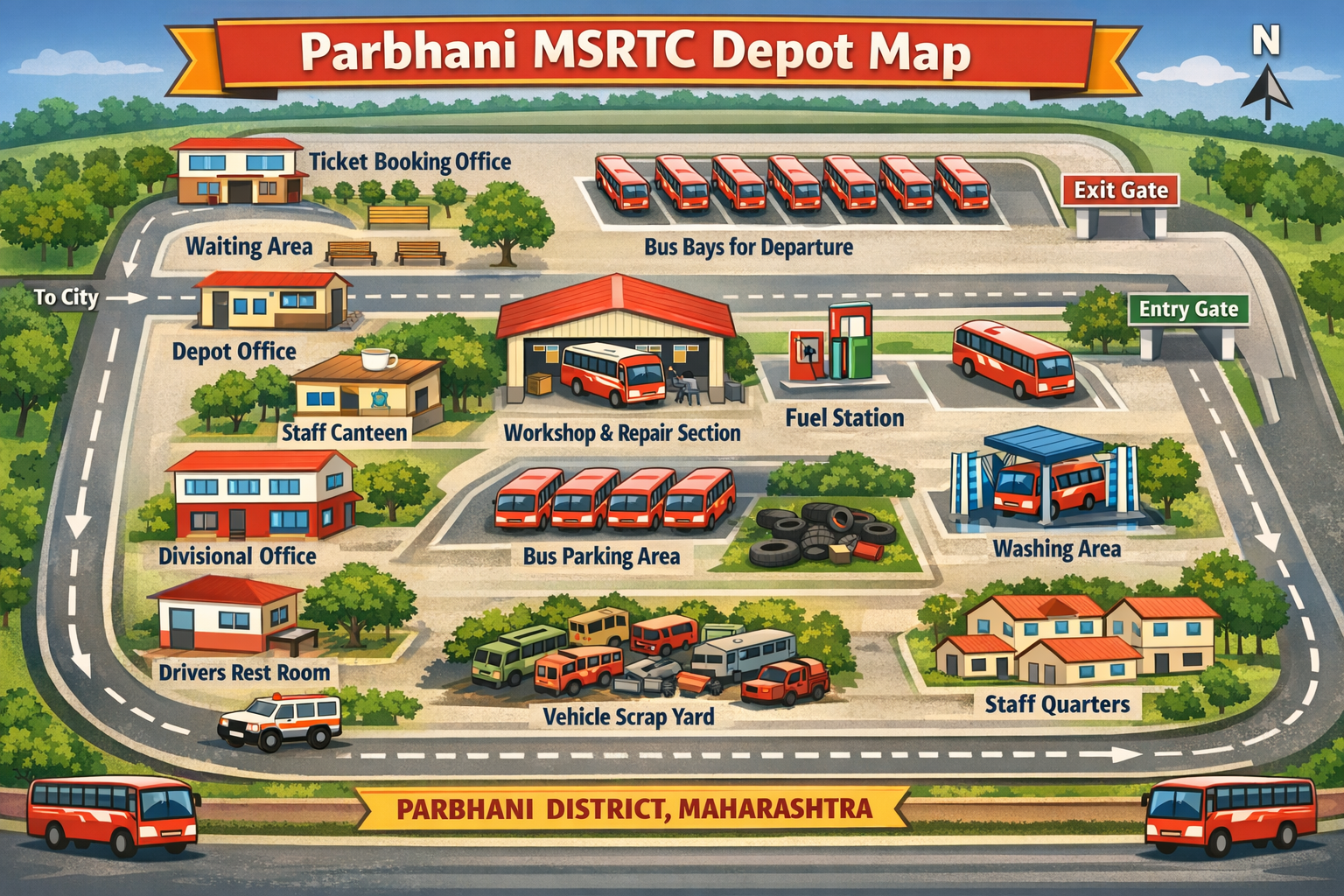
🚌 Connectivity & Infrastructure
🚆 Rail Connectivity
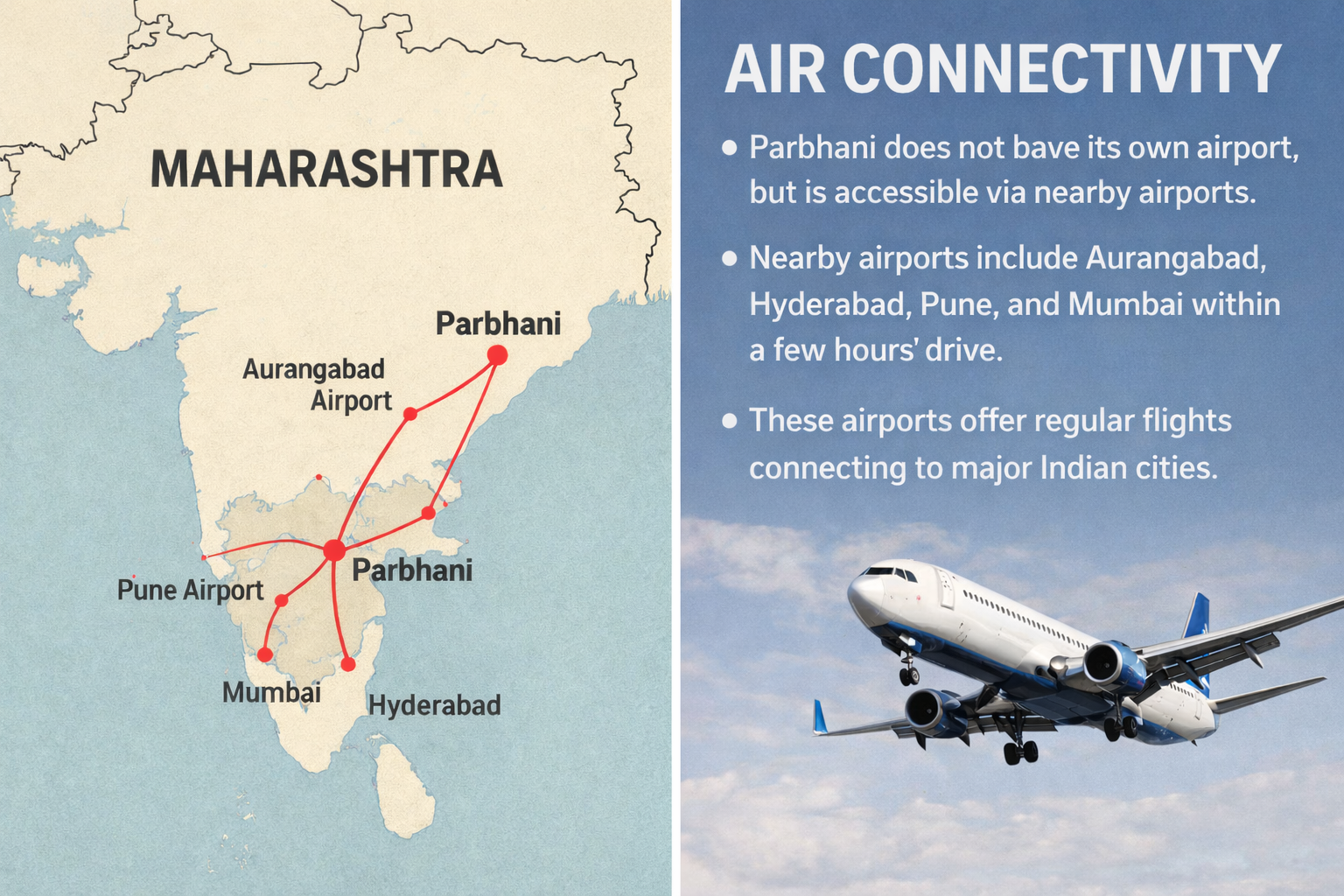
✈️ Air Connectivity – Parbhani District
Key Features of Air Connectivity
• Parbhani does not have a commercial airport, but it is well connected through nearby airports. • Aurangabad Airport is the nearest airport, providing convenient access for domestic travel. • Major international airports at Hyderabad, Pune, and Mumbai are easily reachable by road and rail. • These airports offer frequent flights to major Indian cities such as Delhi, Bengaluru, Chennai, and Kolkata. • Good road and rail connectivity ensures smooth transfer between Parbhani and nearby airports. • Air connectivity supports trade, education, healthcare access, and tourism in the region.